Finding the right compact SUV means balancing your daily needs with long-term value. Kia's lineup offers three distinct approaches to this popular segment, each designed for different driving priorities. The redesigned 2026 Seltos brings turbocharged performance at an accessible price point, the 2026 Sportage provides multiple powertrain choices with proven versatility, and the incoming 2027 EV5 delivers Canada-exclusive electric efficiency. Understanding how these models differ helps you identify which one aligns with your lifestyle in Pierrefonds-Roxboro and across Quebec.
Winter capability matters deeply for Quebec families. All three vehicles address cold-weather driving differently—the Seltos through available all-wheel drive with snow mode, the Sportage via hybrid systems that optimize traction, and the EV5 through electric all-wheel drive with heat pump technology. Technology packages vary significantly across the range, from the Seltos' entry-level connectivity to the Sportage's established smart features and the EV5's advanced electric architecture. This comparison examines each model's strengths to help you make an informed choice.
2026 Kia Seltos: Turbocharged Value with Flexible Configurations
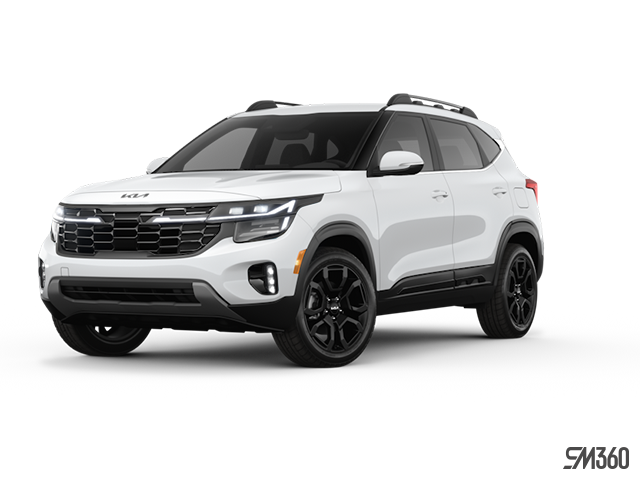
The 2026 Seltos enters its latest generation with a clear mission: deliver engaging performance without stretching budgets. Two distinct engine options define the lineup. Base LX and EX trims use a 2.0-litre 4-cylinder engine producing 147 horsepower and 132 lb-ft of torque, paired with an Intelligent Variable Transmission. This naturally aspirated powertrain prioritizes fuel economy, achieving 7.6 L/100 km combined in front-wheel drive configuration.
Performance-focused buyers gravitate toward SX and X-Line trims, which feature a 1.6-litre turbocharged 4-cylinder engine. This turbo unit generates 195 horsepower and 195 lb-ft of torque, routing power through an 8-speed automatic transmission. The turbo's advantage becomes clear in highway merging and winter driving situations where immediate throttle response matters. All turbocharged variants come standard with all-wheel drive, while base trims offer AWD as an option.
Cargo flexibility stands out as a practical strength. With rear seats folded, the Seltos accommodates 1,778 litres of gear—enough for weekend ski trips to Mont-Tremblant or family camping excursions. The dual-level cargo floor adapts to different hauling needs, while integrated roof rails handle oversized items. A 50-litre fuel tank provides reasonable range between fill-ups.
Technology features scale with trim levels. Base LX models include an 8-inch display with Apple CarPlay and Android Auto integration, while EX Premium and higher trims upgrade to a 10.25-inch multimedia interface with integrated navigation. The available heads-up display projects key driving information above the steering wheel, reducing the need to glance down at the instrument cluster. Digital Key 2 Touch transforms compatible smartphones into vehicle keys, allowing secure access sharing with family members.
Safety equipment comes standard across all trims, including Forward Collision-Avoidance Assist, Lane Keeping Assist, and Blind-Spot Collision-Avoidance Assist. Higher trims add Highway Driving Assist and Advanced Forward Collision Avoidance Assist with junction detection.
2026 Kia Sportage: Powertrain Diversity for Every Driving Style
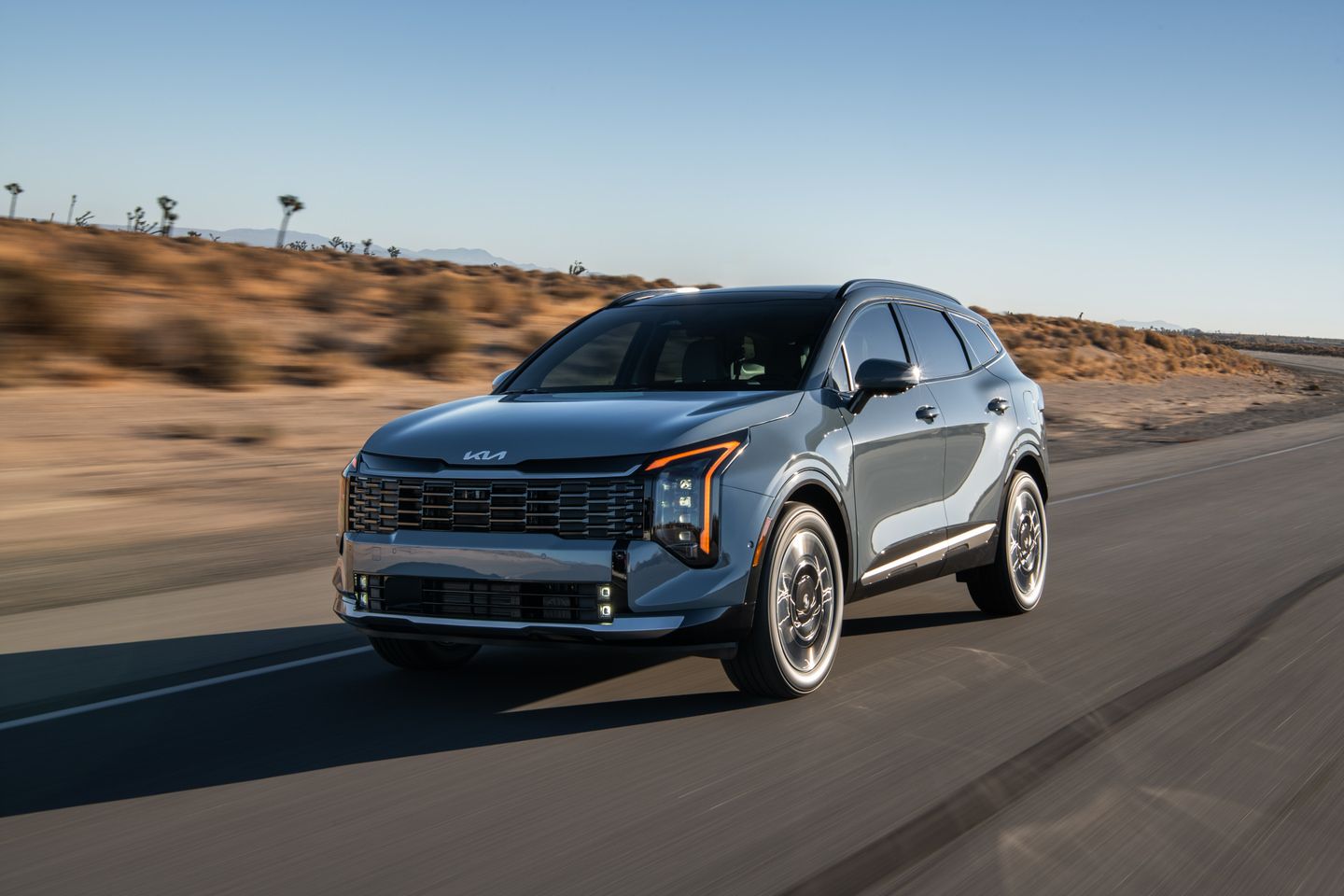
The refreshed 2026 Sportage expands its powertrain options to include three distinct systems, each targeting different buyer priorities. The conventional gasoline model uses a 2.5-litre 4-cylinder engine producing 187 horsepower and 178 lb-ft of torque, connected to an 8-speed automatic transmission. This ICE variant offers towing capacity up to 1,134 kg (2,500 lbs) when properly equipped, making it suitable for small trailers or boat hauling.
Hybrid efficiency arrives through the Sportage HEV, combining a 1.6-litre turbocharged engine with a 47.7 kW electric motor. The revised system generates 232 horsepower combined, delivering 6.7 L/100 km combined fuel economy—a significant advantage for high-mileage commuters. The HEV maintains 907 kg (2,000 lbs) towing capacity while offering all-wheel drive as standard. A 52-litre fuel tank provides extended range between refueling stops.
Plug-in capability defines the Sportage PHEV, pairing the same 1.6-litre turbo engine with a more powerful 72 kW motor and 13.8 kWh battery pack. Combined output reaches 268 horsepower, with 907 kg (2,000 lbs) towing capacity maintained. The PHEV enables electric-only driving for short commutes, reducing fuel consumption when charged regularly. A 42-litre fuel tank compensates for the battery's physical space requirements.
Interior space matches or exceeds competitors in this segment. The Sportage provides 1,050 millimetres of rear legroom—enough for adult passengers on longer trips. Cargo capacity reaches 1,119 litres behind the second row in HEV models (with dual-level floor lowered), expanding to 2,087 litres with rear seats folded. PHEV variants sacrifice some cargo volume due to battery placement, offering 977 litres behind the second row.
Technology updates for 2026 focus on connectivity and driver assistance. All trims now feature a curved 12.3-inch touchscreen with Connected Car Navigation Cockpit (ccNC), offering over-the-air updates and wireless smartphone integration. The available 10-inch head-up display integrates Apple CarPlay and Android Auto information, plus turn-by-turn navigation directions. X-Line Limited models gain Terrain Mode with Snow, Mud, and Sand settings for off-pavement capability.
The X-Line Limited trim emphasizes rugged styling with unique bumpers, gloss black exterior accents, and exclusive 19-inch wheels. This variant includes Active AWD with locking differential for improved winter traction on unplowed roads.
2027 Kia EV5: Canada's Electric Compact SUV Exclusive
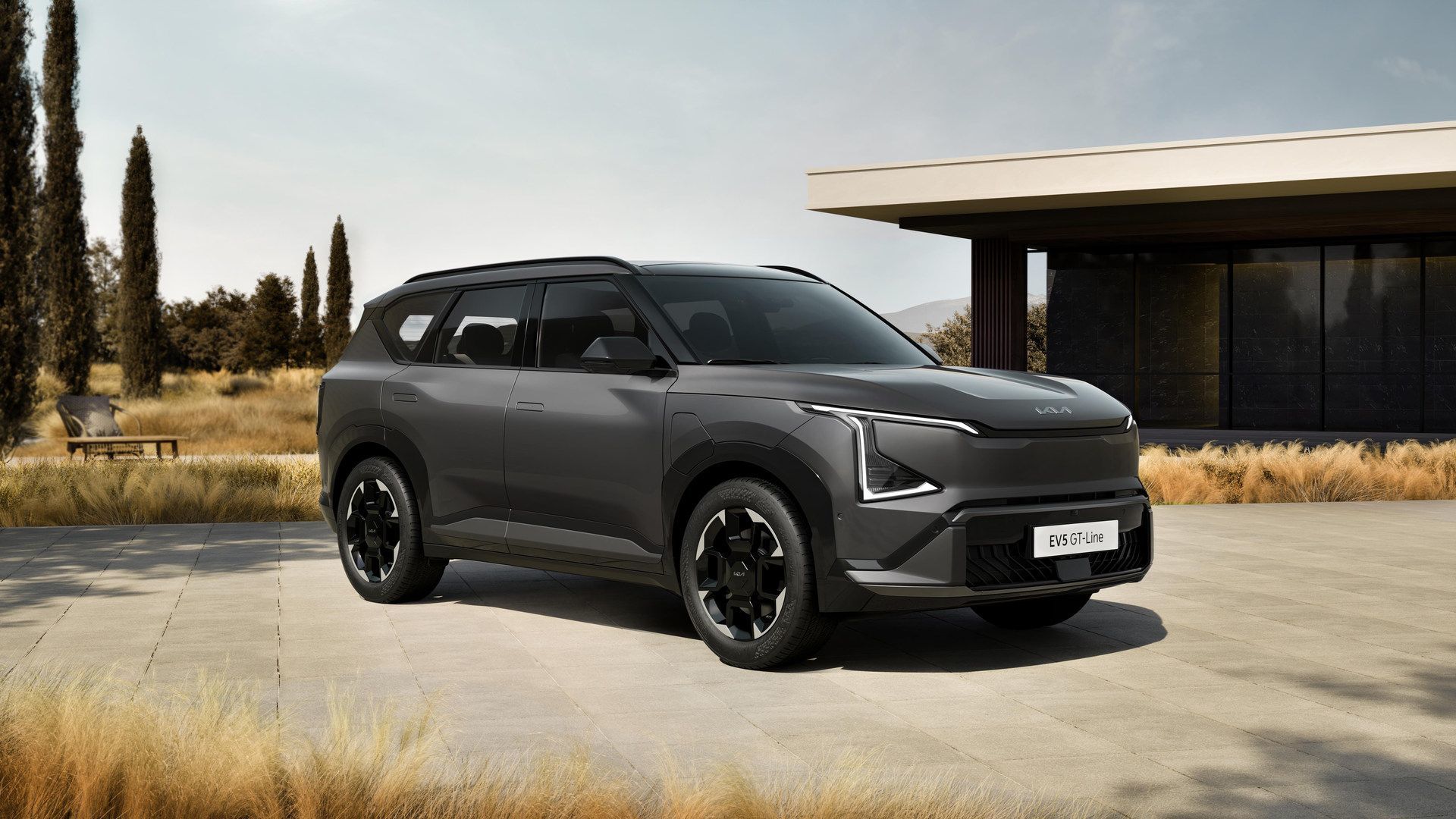
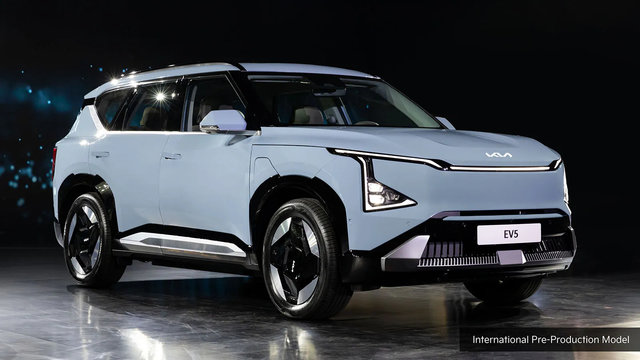
The 2027 EV5 represents Kia's first compact electric SUV designed specifically for North American winters, arriving in spring 2026 as a Canada-exclusive model. While detailed specifications remain limited ahead of its December 2025 presale launch, the EV5 positions itself as a practical alternative to larger electric SUVs like the EV9.
Electric architecture forms the foundation of the EV5's appeal. The vehicle utilizes Kia's proven E-GMP platform, shared with the EV6 and EV9, adapted for compact SUV proportions. This platform enables fast charging capability and efficient packaging of battery systems beneath the floor. Heat pump technology comes standard—a critical feature for Quebec winters, where traditional electric heating significantly reduces range.
Battery pre-conditioning works automatically when using navigation to route to charging stations, warming the battery pack to optimal temperature before arrival. This feature maximizes charging speed during winter months when cold batteries charge slower. The EV5's electric all-wheel drive system distributes torque instantly between front and rear axles, providing superior winter traction compared to mechanical AWD systems.
Interior space benefits from the flat floor made possible by electric architecture. Without a transmission tunnel, the EV5 offers more usable cabin volume than comparably sized gasoline SUVs. Cargo capacity details remain unconfirmed, though the compact SUV proportions suggest practical hauling ability for daily errands and weekend activities.
Technology integration reflects Kia's latest digital systems. The EV5 is expected to feature Kia's Connected Car Navigation Cockpit with integrated charging station planning, automatically routing drivers to available fast chargers based on current battery level and destination distance. Digital Key functionality allows smartphone-based vehicle access, with remote climate pre-conditioning available through the Kia Connect app.
The Canada-exclusive status creates unique market positioning. While American buyers cannot access the EV5, Canadian drivers gain an electric option sized between the smaller Niro EV and larger EV9, filling a gap in Kia's electric lineup.
Technology Comparison: From Essential to Advanced
Technology packages vary significantly across these three models, reflecting their different market positions and price points.
The Seltos offers strong value in base trims, with standard 8-inch touchscreen, Apple CarPlay, Android Auto, and essential safety features like Forward Collision-Avoidance Assist. Moving up to EX Premium brings the 10.25-inch navigation screen, wireless charging, and Highway Driving Assist. The available Bose premium audio system delivers enhanced sound quality, while Digital Key 2 Touch adds smartphone-based access.
The Sportage builds on this foundation with standard 12.3-inch curved touchscreen across all trims, including wireless smartphone integration and over-the-air update capability. The available 10-inch head-up display integrates more information than the Seltos system, including advanced driver assistance alerts. The Harman Kardon premium audio option provides superior sound reproduction compared to the Seltos' Bose system. The 360-degree Surround-View Monitor with 3D view assists in tight parking situations common in urban Quebec environments.
The EV5's technology focus shifts toward electric-specific features. Integrated charging station navigation plans routes automatically, factoring in current battery level, charging station availability, and destination distance. Battery pre-conditioning optimizes charging speed without driver intervention. The Kia Connect app enables remote climate control—particularly valuable for pre-heating the cabin on cold Quebec mornings without depleting battery range during the commute.
Winter Capability: Different Approaches to Quebec Conditions
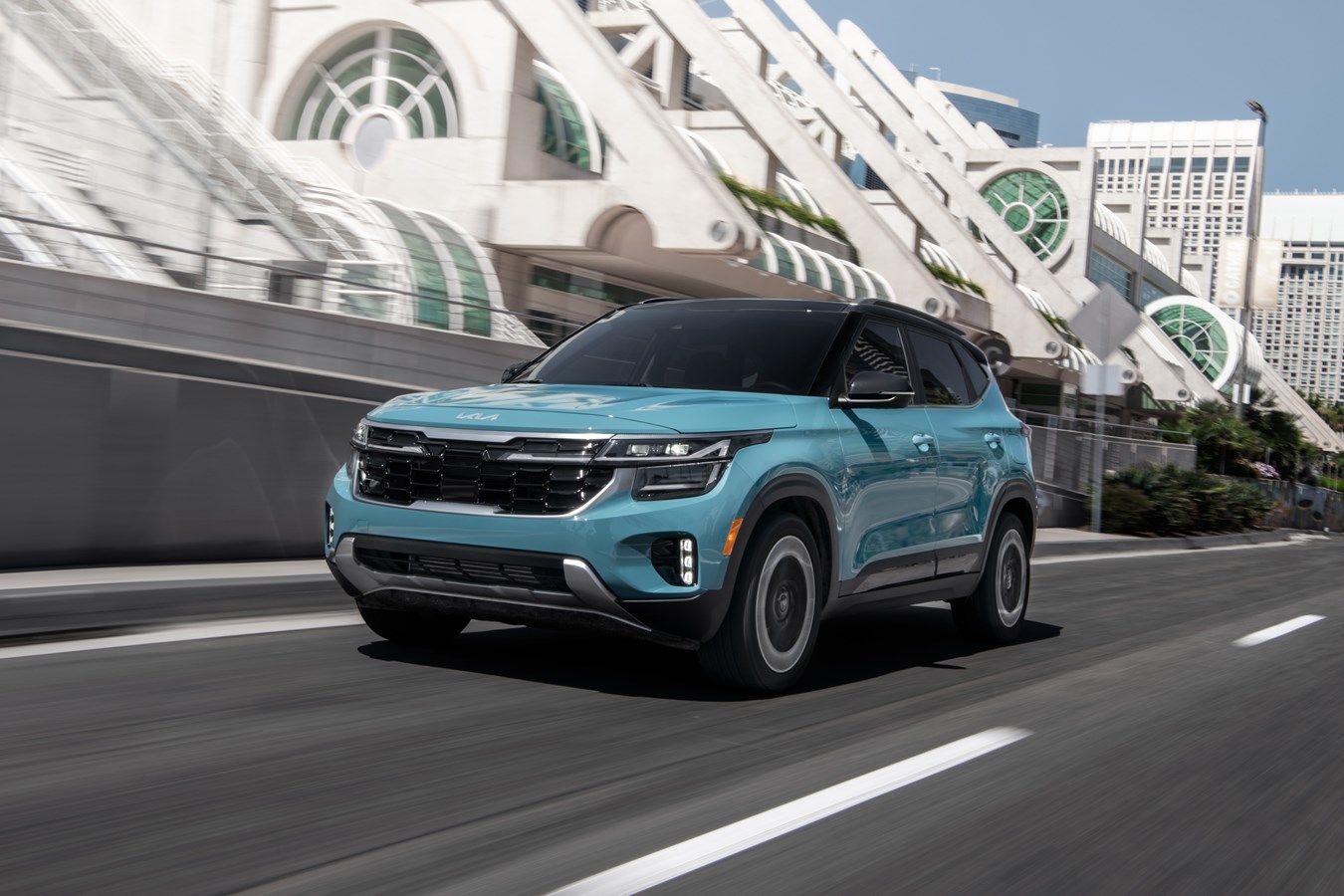
Quebec's harsh winters demand specific vehicle capabilities. Each model addresses cold-weather driving through different mechanical solutions.
The Seltos relies on mechanical all-wheel drive with Drive Mode Select, including Snow mode that adjusts throttle response and transmission shift points for slippery conditions. Heated front seats and heated steering wheel come standard on all trims, while higher trims add heated rear seats and available ventilated front seats. The turbocharged engine's torque delivery proves advantageous on snow-covered highway on-ramps where immediate power helps maintain momentum.
The Sportage's hybrid systems provide unique winter advantages. The electric motor's instant torque assists with low-speed traction in parking lots and residential streets. The X-Line Limited's Terrain Mode optimizes power delivery for snow, mud, or sand conditions. The standard heat pump in HEV and PHEV models reduces the efficiency penalty of cabin heating compared to conventional electric heaters, maintaining better fuel economy during winter months.
The EV5's electric all-wheel drive distributes power between axles within milliseconds, responding faster than mechanical systems to wheel slip. The standard heat pump preserves battery range by using ambient heat rather than battery power for cabin warming. Battery pre-conditioning ensures optimal charging speed even in sub-zero temperatures. However, cold weather will reduce overall range—a consideration for drivers with longer daily commutes or limited home charging access.
Cargo and Versatility: Matching Space to Your Needs
Practical hauling capacity varies across these three models, each offering different advantages.
Seltos Cargo Capacity:
- Rear seats up: 752 litres (with floor lowered)
- Rear seats folded: 1,778 litres
- Fuel tank: 50 litres
Sportage Cargo Capacity:
- ICE/HEV rear seats up: 1,036 litres (floor raised) / 1,121 litres (floor lowered)
- ICE/HEV rear seats folded: 1,962 litres (floor raised) / 2,098 litres (floor lowered)
- PHEV rear seats up: 977 litres (floor raised)
- PHEV rear seats folded: 1,855 litres (floor raised)
- Fuel tank: 54 litres (ICE), 52 litres (HEV), 42 litres (PHEV)
The Sportage clearly leads in maximum cargo volume, offering nearly 20% more space than the Seltos with seats folded. The dual-level cargo floor in ICE and HEV variants adds flexibility for different load types. PHEV buyers sacrifice approximately 240 litres due to battery placement—still adequate for most family needs, but noticeably less than non-plug-in variants.
The Seltos' smaller footprint translates to easier urban parking while still providing competitive cargo space for a subcompact SUV. The 752-litre capacity with seats up handles weekly grocery runs comfortably, while the 1,778-litre maximum accommodates larger items like bicycles or camping gear.
EV5 cargo specifications remain unconfirmed, though electric architecture typically enables flat load floors without the intrusion of exhaust systems or fuel tanks. This design often provides more usable cargo volume than equivalent internal combustion vehicles.
Choosing Your Match: Which Kia SUV Fits Your Driving Profile?
Your ideal choice depends on specific driving patterns and priorities in the Pierrefonds-Roxboro area and beyond.
The Seltos suits drivers who:
- Prioritize lower purchase price with turbocharged performance
- Drive primarily within Montreal and surrounding regions
- Value compact dimensions for urban parking
- Want engaging driving dynamics without hybrid complexity
- Require flexible cargo space for recreational gear
The Sportage appeals to buyers who:
- Cover higher annual mileage and value hybrid efficiency
- Regularly tow small trailers or boats
- Need maximum cargo capacity for family activities
- Want the latest connectivity features with over-the-air updates
- Prefer established technology over cutting-edge electric systems
The EV5 targets drivers who:
- Have reliable home charging or workplace charging access
- Drive predictable daily routes within electric range
- Prioritize environmental benefits and electric efficiency
- Want instant electric torque for winter traction
- Value the exclusivity of a Canada-only model
Fuel costs factor significantly into long-term ownership. The Sportage HEV's 6.7 L/100 km combined rating delivers substantial savings over the Seltos' 8.2 L/100 km (AWD) or 9.2 L/100 km (turbo AWD) consumption. The EV5's electricity costs depend on home charging rates, but typically provide lower per-kilometre costs than gasoline—particularly valuable for high-mileage drivers.
Maintenance requirements differ across powertrains. The Seltos and Sportage ICE models follow conventional service schedules with regular oil changes and transmission maintenance. Hybrid variants add battery cooling system checks but eliminate some conventional wear items. The EV5 reduces scheduled maintenance significantly, with no oil changes, transmission service, or exhaust system repairs required.
Experience Kia's Compact SUV Range at Spinelli Kia
Each of these three models brings distinct advantages to Quebec drivers, from the Seltos' turbocharged value to the Sportage's proven versatility and the EV5's electric innovation. Your choice depends on daily driving patterns, winter conditions, cargo needs, and long-term ownership priorities. Visit Spinelli Kia in Pierrefonds-Roxboro to explore the 2026 Seltos and Sportage in person, and learn about the upcoming 2027 EV5 presale launching in December. Our team can help you compare specifications, discuss financing options, and arrange test drives to determine which Kia compact SUV matches your lifestyle.
To learn more about the 2026 Kia Seltos, visit Kia.ca